
Why You’ll Love these Homemade Soft Flatbreads
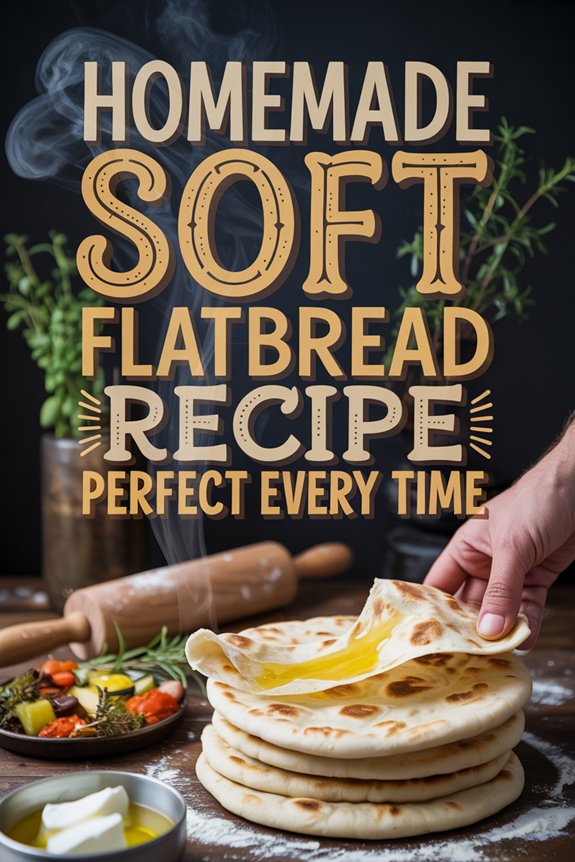
While store-bought flatbreads might seem convenient, nothing compares to the satisfaction of pulling a warm, pillowy flatbread off your own stovetop.
I’m talking about that unmistakable yeasty aroma filling your kitchen as you watch the dough puff up right before your eyes.
These flatbreads are remarkably versatile—perfect for scooping up curries, wrapping around falafel, or serving alongside a mezze platter.
The texture? Divine. Soft and tender with just the right chew and those beautiful brown spots that add character.
Plus, you can customize the thickness to suit whatever you’re serving them with.
What Ingredients are in Homemade Soft Flatbreads?
Making soft, pillowy flatbreads at home requires surprisingly few ingredients, most of which you probably already have sitting in your pantry right now.
The beauty of flatbreads lies in their simplicity, with just a handful of basic components coming together to create something truly special. Once you’ve gathered everything, you’ll be amazed at how quickly these transform from simple staples into delicious, warm bread ready for dipping, wrapping, or simply tearing and enjoying on its own.
- 200 ml milk
- 200 ml lukewarm water
- 7g dried yeast (one packet)
- 500g strong bread flour
- 25g salt
- 25g softened butter, cut into cubes
- Oil for greasing
The quality of your flour matters quite a bit here – strong bread flour gives these flatbreads their wonderful texture and chew.
And don’t skimp on the salt, as it’s vital for bringing out the flavor. The lukewarm water temperature is important too, as it activates the yeast without killing it (too hot and your yeast dies, too cold and it won’t activate properly).
For those looking to adapt, you could substitute plant-based milk and butter alternatives for a vegan version, though the texture might vary slightly.
The beauty of this recipe? Its forgiving nature makes it perfect for beginners and experienced bakers alike.
Recommended Products
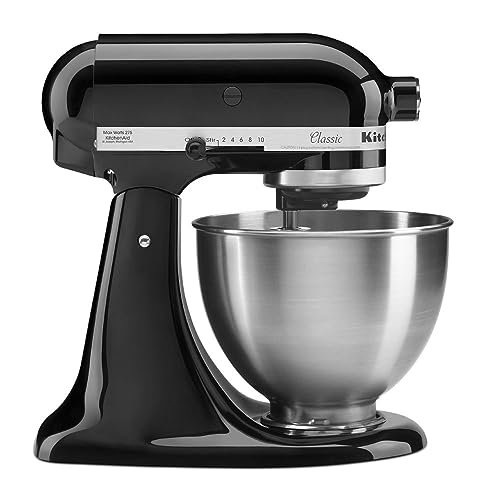
Built to take it all on with the durable and built-to-last metal construction, and 59 touchpoints around the mixer bowl for great mixing results.

Powerful Motor and Variable Speed Control - 660W high performance pure copper motor and sturdy ABS housing; 6 optimized speeds with pulse function, access to multipurpose and a variety of recipes. More powerful motor but lower operation noise ≤76dB.

Built to take it all on with the durable and built-to-last metal construction, and 59 touchpoints around the mixer bowl for great mixing results.
How to Make these Homemade Soft Flatbreads
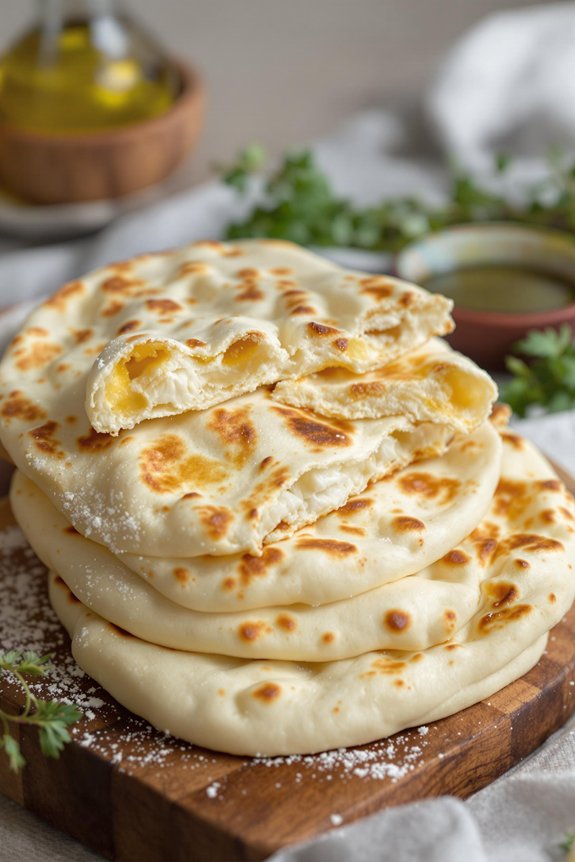
Making these soft flatbreads starts with activating your yeast. Simply mix 200 ml milk with 200 ml lukewarm water in a jug, then sprinkle the packet of dried yeast (7g) over the top and give it a gentle whisk. Let this mixture sit in a warm spot for a few minutes—you’ll know it’s working when it starts looking slightly foamy.
Meanwhile, combine 500g of strong bread flour with 25g salt in a large bowl, then rub in 25g of softened, cubed butter with your fingertips until the mixture resembles fine breadcrumbs. This step gives the flatbreads their tender quality.
Now for the magic moment. Make a well in the center of your flour mixture and gradually pour in the yeast liquid, incorporating it bit by bit until you form a cohesive dough. Need to troubleshoot? If things feel too sticky, add a touch more flour; too dry, splash in some warm water.
Turn the dough onto a lightly floured surface and knead for about five minutes until it becomes shiny and elastic—you want that beautiful stretch that shows the gluten developing. After kneading, rinse your bowl with hot water (this creates a warm environment), shape the dough into a neat ball, and place it inside. Cover with oiled cling film and let it rise until doubled, which might take up to two hours. Patience pays off here!
When your dough has puffed up beautifully, knock it back with a gentle punch (oddly satisfying, right?) and knead briefly for about a minute. Now comes the flatbread formation—tear off pieces of dough and flatten them first with your hands, then with a rolling pin until they’re quite thin.
Remember, these will puff up during cooking, so thinner is better. Heat a heavy-based frying pan over medium-high heat, then lower the temperature as you place each flatbread in. Using a premium cookware set can make a significant difference in heat distribution and prevent burning your flatbreads. Cook until the bottom crisps up nicely, then flip to cook the other side.
These are best served immediately—warm, soft in the middle, slightly crisp on the outside, and absolutely irresistible. Can anything beat the satisfaction of watching these simple ingredients transform into something so delicious right before your eyes?
Homemade Soft Flatbreads Substitutions and Variations
This basic flatbread recipe serves as a fantastic canvas for countless variations that’ll transform your bread game completely.
You can swap the butter for olive oil when you’re craving a Mediterranean twist, or add herbs like rosemary and thyme directly into the dough.
Feeling adventurous? Try incorporating garlic powder, onion flakes, or even za’atar for an aromatic punch.
For a healthier version, replace some white flour with whole wheat or add ground flaxseed.
Can’t do dairy? No problem – substitute the milk with almond or oat milk.
I’m always amazed at how versatile flatbread can be!
Recommended Products

Steakhouse Sear At Home: The Lodge Square Cast Iron Grill Pan delivers high-heat searing and bold grill marks while channeling excess grease away
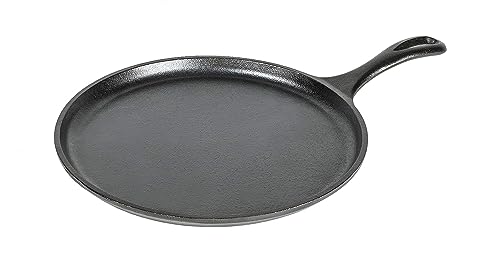
Pre-Seasoned & Ready to Use: The Lodge Cast Iron Griddle comes naturally pre-seasoned and ready to use for tortillas, pancakes, and more right from the box

Versatile Square Cast Iron: The Lodge Seasoned Cast Iron Square Griddle Pan is ideal for perfectly cooked pancakes, eggs, and tortillas in any location
What to Serve with Homemade Soft Flatbreads
These pillowy, warm flatbreads deserve companions that highlight their versatility and simple charm.
I love pairing them with creamy hummus or baba ganoush for dipping – that combination is practically a requirement in my kitchen.
For a heartier meal, try topping them with grilled veggies and feta, or fold them around succulent shawarma-spiced chicken.
Can you imagine a better vessel for soaking up fragrant curries or stews?
They’re even delightful with sweet toppings like honey and labneh for breakfast.
The contrast between the soft bread and crispy edges makes any accompaniment shine brighter.
Recommended Products

𝗘𝗳𝗳𝗼𝗿𝘁𝗹𝗲𝘀𝘀 𝗪𝗲𝗶𝗴𝗵𝗶𝗻𝗴: Supports 5 units (oz/lb:oz/fl'oz/g/mL), tare function, and includes 2 AAA batteries for hassle-free operation

𝗠𝗮𝘅 𝗖𝗮𝗽𝗮𝗰𝗶𝘁𝘆: Weigh objects as heavy as 22 lb/10 kg and as light as 2 g in increments of 1 g

Contemporary Slim Design: Made of Stainless Steel Material; It is easy to use and clean; Provides accurate weight data with a user-friendly control panel and system; With high precision sensors to ensure correct performance and readouts
Final Thoughts
Whether served alongside your favorite dips or wrapped around savory fillings, homemade flatbreads turn everyday meals into something special.
I’m convinced there’s something almost magical about the process—watching simple ingredients transform into warm, pillowy bread that’s both versatile and comforting.
Don’t you find that making your own flatbread connects you to culinary traditions spanning cultures and centuries?
The recipe might seem intimidating at first, but once you’ve mastered the technique, you’ll wonder why you ever bought the store-bought version.
Keep practicing with the dough thickness; too thick and it’s doughy, too thin and it crisps too quickly.