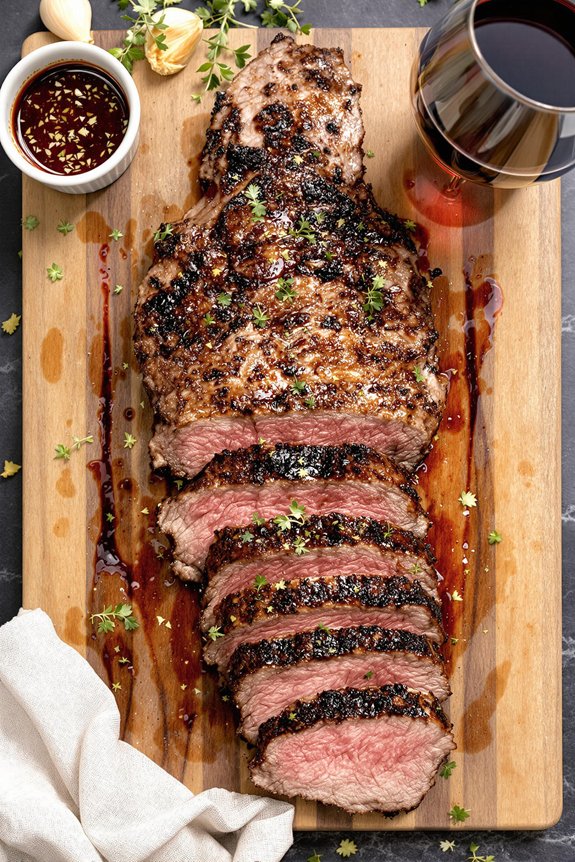

Why You’ll Love this Red Wine Marinated Grilled Chuck Roast
While chuck roast mightn’t be the first cut you reach for at the grill, this red wine marinated version will completely change your mind about what’s possible with this affordable cut.
I’m talking about melt-in-your-mouth tenderness that rivals prime cuts at a fraction of the cost.
The overnight marinade works magic, with red wine breaking down those tough fibers while soy sauce adds umami depth.
Can you imagine serving a budget-friendly roast that tastes this luxurious?
The oregano and garlic create a crust that’s absolutely crave-worthy, and slicing across the grain guarantees every bite stays tender.
What Ingredients are in Red Wine Marinated Grilled Chuck Roast?
This red wine marinated chuck roast relies on a simple but powerful combination of ingredients that transform an economical cut into something truly special. The secret lies in the marriage of acidic wine and savory soy sauce, which work together to break down tough muscle fibers while infusing the meat with rich flavor. And the best part? You probably have most of these ingredients in your pantry already.
- 3 pounds beef chuck roast
- 1/2 cup red wine (any dry variety works well)
- 1/3 cup soy sauce
- 1/2 teaspoon meat tenderizer
- Oregano, to taste
- Garlic powder, to taste
When selecting your chuck roast, look for one with good marbling—those little streaks of fat that melt during cooking and keep everything moist and flavorful. For the wine, don’t feel pressured to use anything fancy; a basic dry red like Cabernet Sauvignon or Merlot works perfectly. The meat tenderizer is essential for helping break down proteins, but if you don’t have it on hand, you could substitute a tablespoon of plain yogurt or even a bit of pineapple juice, which contains natural enzymes that tenderize meat. Just remember, the longer you marinate, the more those tough fibers will relax and absorb all that wonderful flavor.
Recommended Products

【Fast & Accurate】Our meat thermometer digital delivers accurate readings within ±1°F in just 1–2 seconds, with a wide temperature range of -58°F to 572°F (-50°C to 300°C). No more waiting over the heat - know your food's exact temperature instantly.

Instant Read Meat Thermometer | Our instant read thermometer features a temperature probe and advanced, highly accurate technology with a 1-2 second response time. Our instant read food thermometer comes pre-calibrated with instructions and a meat temperature chart, plus a recalibration feature if needed.

【Fast & Accurate】Our meat thermometer digital delivers accurate readings within ±1°F in just 1–2 seconds, with a wide temperature range of -58°F to 572°F (-50°C to 300°C). No more waiting over the heat - know your food's exact temperature instantly.
How to Make this Red Wine Marinated Grilled Chuck Roast
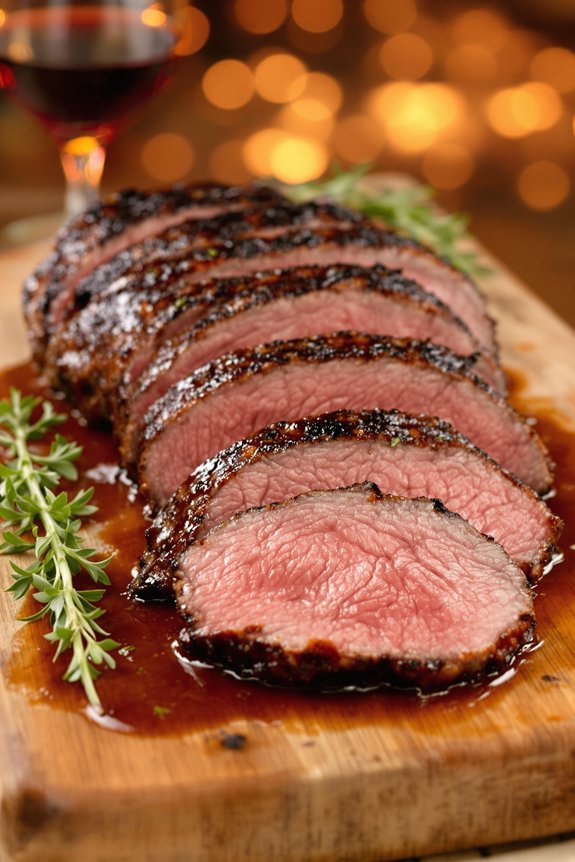
The magic of this recipe begins with the marinade. In a container large enough to hold your 3-pound beef chuck roast, combine 1/2 cup of red wine and 1/3 cup of soy sauce, stirring them together to create the flavorful bath that will transform your meat.
Place the chuck roast in the liquid, making sure both sides get a good initial coating. This first contact between meat and marinade sets the stage for all the flavor development that follows.
Now comes the important part—seasoning and tenderizing. Sprinkle half of your 1/2 teaspoon of meat tenderizer on one side of the roast, then use a fork to prick the surface all over. Think of this as creating tiny channels for the marinade to penetrate.
Sprinkle oregano and garlic powder to taste (don’t be shy here—these aromatics really make the dish sing), then flip the roast and repeat the entire process on the other side.
The patience comes next: let this beautiful creation rest in the marinade overnight at minimum, turning at least once during that time. The longer it marinates, the more those tough muscle fibers will relax and absorb flavor. Some cooks swear by a full 24-hour soak, and who am I to argue with that kind of dedication to deliciousness?
When you’re ready to cook, fire up the grill to medium-high heat. The beauty of this preparation method is that even though chuck is typically a slow-cooking cut, the tenderizing process allows you to grill it for a shorter time while still achieving remarkable tenderness.
For the best cooking experience and even heat distribution, consider using premium seafood cookware that can also excel with beef dishes like this marinated chuck roast.
Cook to your preferred doneness, though medium-rare to medium works particularly well with this preparation. Once finished, the vital final step: slice across the grain to maximize tenderness. Each slice will reveal meat that’s transformed from humble chuck into a centerpiece-worthy creation with deep flavor and surprising tenderness that belies its economical origins.
Red Wine Marinated Grilled Chuck Roast Substitutions and Variations
Now that you’ve mastered the basic recipe, let’s explore some creative twists that’ll keep this dish exciting every time you make it.
Try substituting balsamic vinegar for red wine for a sweeter, more complex flavor profile.
Not a fan of soy sauce? Worcestershire makes an excellent alternative, adding a rich umami punch.
For herb variations, rosemary and thyme work beautifully instead of oregano.
You can also add sliced onions and fresh garlic to the marinade rather than powder.
Don’t have a grill? This chuck roast works wonderfully in a slow cooker or Dutch oven, too.
Just adjust cooking times accordingly.
Recommended Products

【Extra Long Tongs】 - EDDEAS 17 inch and 12 inch BBQ Grilling Tongs Protect your hands from the heat. Perfect for bbq, cooking, grilling, buffet serving, barbecue and camping etc.

Extra Long Tongs - Eddeas 17 & 12 inch BBQ Grilling Tongs Protect your hands from the heat. Perfect for bbq, cooking, grilling, buffet serving, barbecue and camping etc.
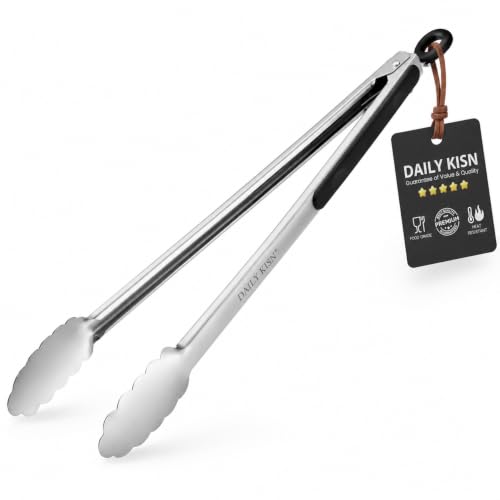
17" Extra Long Grill Tongs: These 17-inch Grill Tongs are essential for barbecuing, cooking, grilling, buffet serving, and camping. They are lengthy enough to protect your hands from heat, making it safer to handle hot food.
What to Serve with Red Wine Marinated Grilled Chuck Roast
After spending all that time marinating your perfect chuck roast, you’ll want side dishes that truly complement its rich, wine-infused flavors.
I recommend roasted garlic mashed potatoes, which soak up those delicious meat juices like nobody’s business.
A crisp green salad with balsamic vinaigrette cuts through the richness, while grilled vegetables—think asparagus, bell peppers, or zucchini—echo that smoky char from the grill.
Can’t forget about dinner rolls, right? Something to mop up all that savory goodness.
For a complete meal, consider a simple mushroom risotto. Those earthy flavors? Divine with beef.
Recommended Products

【2-in-1 Reversible Grill & Griddle】: Unlock a world of recipes with a single reversible griddle pan. One ribbed side creates perfect sear marks on steaks, chops, fish, chicken, and veggies; flip to the smooth side for pancakes, eggs, bacon, burgers, tortillas, and more. Ideal for indoor stovetop or outdoor BBQ

Double Burner Configuration: The Lodge Double Play Reversible Cast Iron Grill/Griddle covers two burners, offering a generous breakfast grill plate for family breakfasts or meal prep with ease

Pre-seasoned cast iron, reversible grill/griddle with user friendly handles; oven safe to 500 degrees Fahrenheit
Final Thoughts
Whether you’re hosting a dinner party or preparing a special family meal, this red wine marinated chuck roast delivers exceptional flavor without breaking the bank.
I’m convinced the overnight marinade is what transforms this humble cut into something spectacular. There’s something magical about how the wine and soy sauce work together to tenderize the meat.
What I love most is the versatility. You can adjust the seasonings to your family’s taste preferences, or even try different herbs if oregano isn’t your thing.