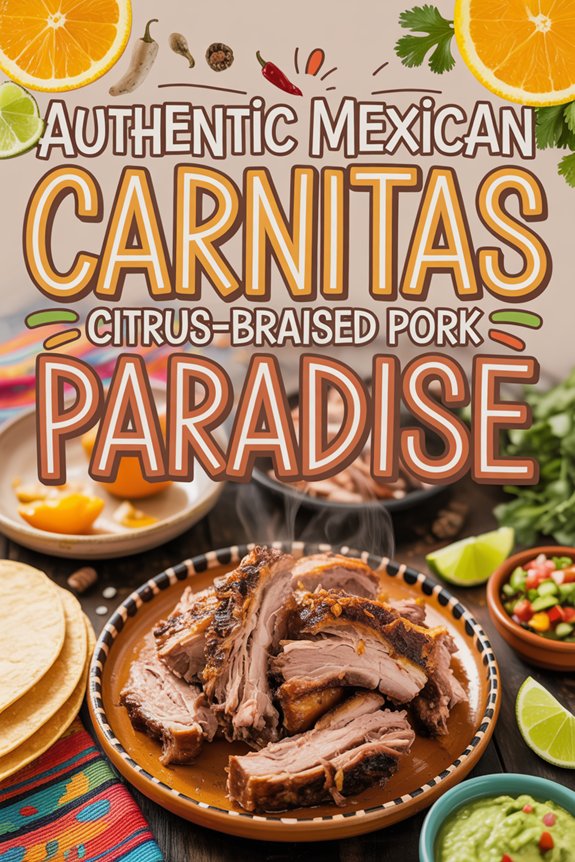
Why You’ll Love these Authentic Mexican Carnitas
Carnitas, the crown jewel of Mexican street food, will transform your dinner table into a fiesta of flavors.
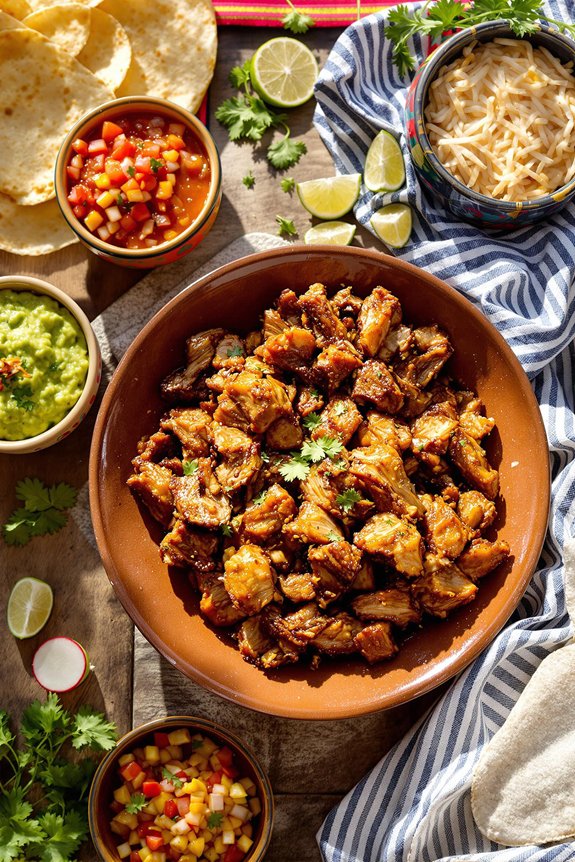
The magic happens when pork shoulder slowly simmers in citrus juices until tender, then crisps in its own rendered fat. Can you imagine that contrast of textures—crispy exterior with melt-in-your-mouth interior?
These aren’t just any tacos. The orange zest infuses the meat with subtle citrus notes while the long braise guarantees fork-tender perfection.
Plus, they’re surprisingly simple to make at home with minimal ingredients. Serve them with warm tortillas, fresh guacamole, and salsa for a meal that’ll have everyone reaching for seconds.
What Ingredients are in Authentic Mexican Carnitas?
Traditional Mexican carnitas are surprisingly straightforward, requiring just a handful of ingredients to create that magical combination of juicy, tender meat with crispy edges. The star of the show is definitely pork shoulder (sometimes called pork butt), which has the perfect fat-to-meat ratio for this slow-cooking method.
When this cut simmers away and then crisps up in its own rendered fat, something truly magical happens—the meat develops complex flavors and that signature carnitas texture that’s impossible to resist.
- 3 pounds boneless pork shoulder (or country-style pork ribs)
- 6 garlic cloves, halved
- 1 orange, zest cut into wide strips using a vegetable peeler
- 3/4 cup fresh orange juice
- Sea salt (about 2 teaspoons)
- 1 tablespoon canola or safflower oil (optional, only if needed)
- 12 corn or flour tortillas, for serving
- Guacamole, for serving
- Salsa fresca, for serving
- Refried beans, for serving (optional)
When shopping for your carnitas ingredients, quality matters in a dish with so few components. Look for pork that has good marbling throughout—this fat is what creates the self-basting effect that makes carnitas so tender.
And while bottled orange juice will work in a pinch, freshly squeezed makes a noticeable difference in the brightness of flavor. The orange zest might seem like a small detail, but don’t skip it. Those aromatic oils infuse the meat during the long cooking process, adding a subtle citrus perfume that elevates the entire dish.
Sometimes the simplest ingredient lists yield the most unforgettable results, don’t you think?
Recommended Products

BREAD BAKER'S DUTCH OVEN, 500°F OVEN-SAFE, SOURDOUGH-READY – one of the highest ratings in its class – delivering the sustained heat that sourdough, artisan bread, and pizza dough demand. Thick cast-iron walls trap and circulate heat like a brick oven, producing bakery-quality crusts at home. The tight-sealing lid features raised self-basting nodes that continuously recirculate steam: a perfect moisture chamber, every single bake.

Even Heat Distribution Retention: This Umite Chef Dutch oven Made with heavy-duty enameled cast iron, ensures even heat distribution for perfect searing and slow cooking, locking in flavors. thickened walls lock in heat for slow braising, searing, and baking. Unlike thin pots that scorch food, this professional-grade Enameled cast iron potSuperior heat retention after preheating (allow 5-7 mins for even distribution). CRITICAL: Always cool naturally for 45+ mins before cleaning. Thermal shock (hot-to-cold contact) cracks enamel. USE TIP: Preheat 2-3 mins on medium-low only

Even Heat Distribution Retention: This Dutch oven Made with heavy-duty enameled cast iron, ensures even heat distribution for perfect searing and slow cooking, locking in flavors. thickened walls lock in heat for slow braising, searing, and baking. Unlike thin pots that scorch food, this professional-grade Enameled cast iron pot maintains steady temperatures
How to Make these Authentic Mexican Carnitas
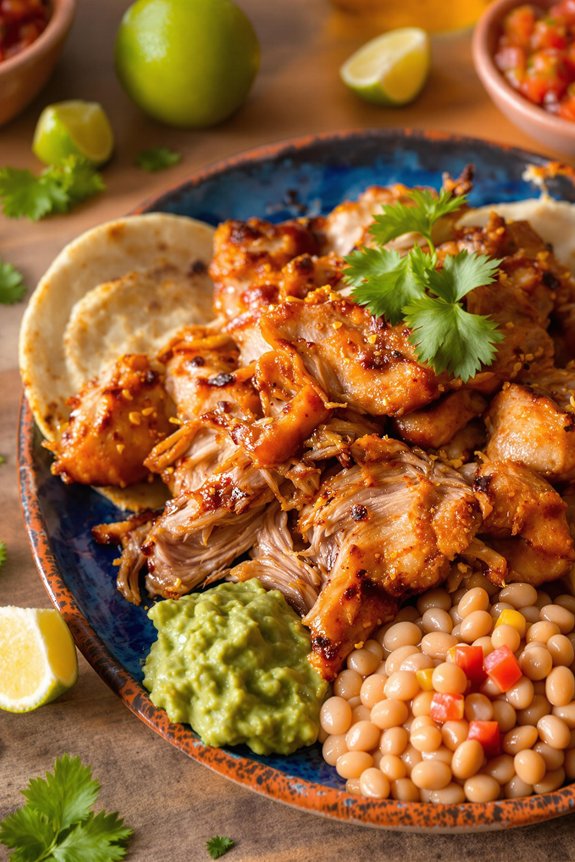
Making authentic carnitas begins with preparing the pork shoulder properly. Start by trimming any large pieces of fat from your 3 pounds of pork shoulder (save these fat pieces!) and cutting the meat into strips about 1½ inches long and ¾ inch wide.
Place the meat and those trimmed fat pieces into a wide, heavy saucepan or frying pan. Add 6 halved garlic cloves, orange zest strips from 1 orange, ¾ cup of fresh orange juice, and 2 teaspoons of sea salt. The meat should ideally be in a single layer to cook evenly.
Pour in just enough water to barely cover the meat, then bring everything to a boil over medium heat. Once boiling, reduce to medium-low, cover partially, and let it simmer. This first stage is all about patience—you’re waiting for all the liquid to evaporate, which takes about an hour, stirring occasionally to guarantee even cooking.
Now comes the magic transformation that makes carnitas so special. After the liquid has evaporated, uncover the pan completely and continue cooking the pork for another 10-15 minutes.
During this pivotal phase, the rendered fat from the meat becomes your cooking medium, creating that signature crispy exterior while maintaining juicy tenderness inside. Most times, there’s enough fat rendered from the pork itself, but if your meat was particularly lean, you might need to add that optional tablespoon of canola or safflower oil.
You’ll know the carnitas are ready when the meat has browned and crisped up nicely in the fat. Using a slotted spoon, transfer the crispy pork to a colander to drain excess fat briefly, then immediately move it to a warmed serving bowl.
For the most authentic results, consider investing in traditional Mexican kitchen appliances that can elevate your carnitas-making experience.
Could there be a more mouth-watering aroma in your kitchen right now? Serve your carnitas with warm tortillas, guacamole, salsa fresca, and refried beans for an authentic Mexican feast that’ll transport you straight to a taqueria in Mexico.
Authentic Mexican Carnitas Substitutions and Variations
While your authentic carnitas recipe is a showstopper on its own, let’s explore some flexible substitutions and creative variations that honor the traditional dish while accommodating different dietary needs or ingredient availability.
Can’t find pork shoulder? Country-style ribs work beautifully as the recipe suggests. For a lighter version, try using pork loin (though you’ll sacrifice some of that luscious fat).
No oranges? Substitute lime or grapefruit juice, adjusting quantities for acidity. Vegetable oil can replace canola in a pinch.
For serving variations, consider pineapple-topped carnitas tacos, or go low-carb with lettuce wraps. Craving crunch? Nothing beats carnitas nachos with all the fixings.
Recommended Products

Versatile Capacity - A 3 qt saucepan is ideal for heating and simmering liquids, such as soups, sauces and gravies; while still can be used for sautéing and stir-frying small to medium-sized portions of ingredients, like vegetables, meat, or poultry.

Sturdy Construction - The Idymere pot features a tri-ply design with a food-grade 304 (18/8) stainless steel interior, a thick aluminum core, and a magnetic 430 stainless steel exterior. This construction of the sauce pot ensures even heating without hot spots and provides a non-reactive cooking surface that won’t impart flavors. Free from coatings or harmful substances, the cooking pot offers excellent rust and corrosion resistance while meeting health standards.

CONFIDENCE IN EVERYDAY COOKING — Cuisinart stainless steel is built for everyday cooks upgrading from worn cookware. This stainless steel pot delivers dependable performance with an uncoated surface. Backed by a lifetime warranty, it is the perfect sauce pan for households building a kitchen piece by piece.
What to Serve with Authentic Mexican Carnitas
So you’ve mastered the art of crispy, tender carnitas – now what? These succulent pork morsels deserve perfect companions to create a memorable meal.
I always recommend warm corn tortillas as your foundation—flour works too, but corn delivers that authentic touch. Guacamole is non-negotiable, providing creamy contrast to the crispy meat. Add salsa fresca for brightness and acidity.
On the side, refried beans bring heartiness, while Mexican rice adds wonderful texture. Don’t forget lime wedges, pickled red onions, and chopped cilantro for garnish.
My secret tip? Serve a light cucumber salad to balance the richness. Your taste buds will thank you.
Recommended Products

Cook & Carry Locking Lid: Travel-proof locking lid features a tight seal that prevents leaks and spills, for mess-free travel when you're on the go
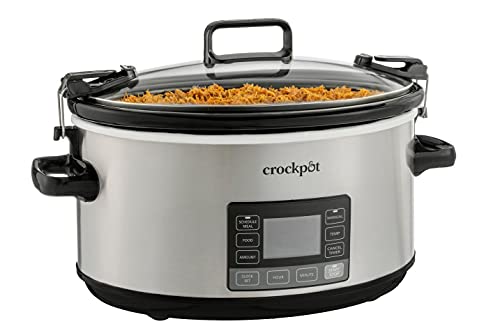
Personalized Cooking: MyTime adjusts the cooking cycle so your meal is ready exactly when you want it
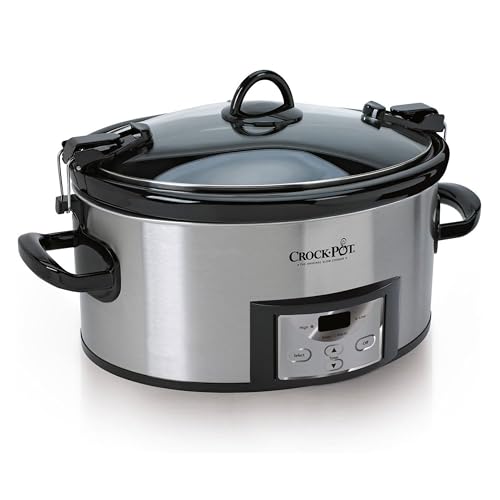
Programmable Digital Timer: Control cooking times from 30 minutes up to 20 hours
Final Thoughts
After cooking traditional Mexican carnitas at home, I’ve discovered it’s truly one of those dishes that connects you to culinary heritage through your taste buds.
The magic happens in that final browning step, where the tender pork transforms into crispy-edged perfection.
What I love most about carnitas is its versatility. You can keep it simple with just tortillas and salsa, or build an elaborate taco bar for guests.
The leftovers, if you manage to have any, are even better the next day.