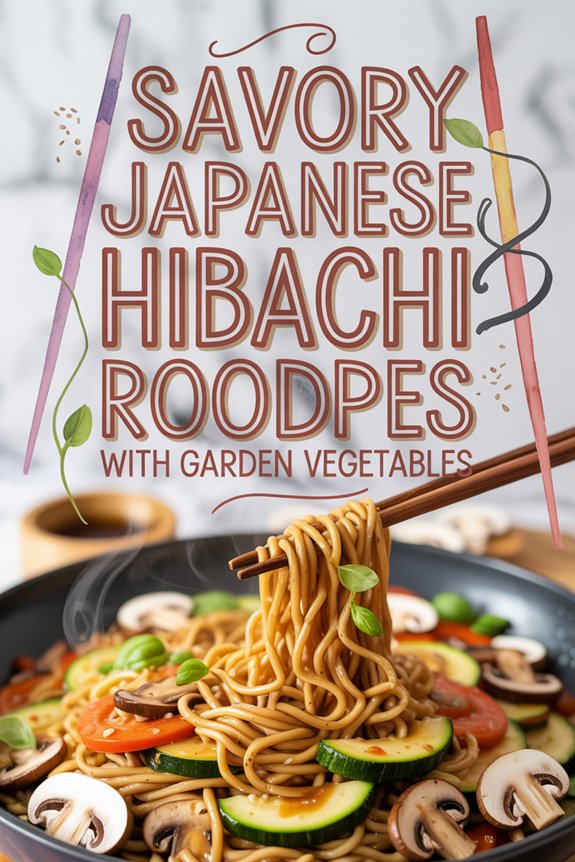
Why You’ll Love these Japanese Hibachi Noodles
Whether you’re craving restaurant-quality Asian cuisine or simply need a quick weeknight dinner option, these Japanese Hibachi Noodles will absolutely win you over.
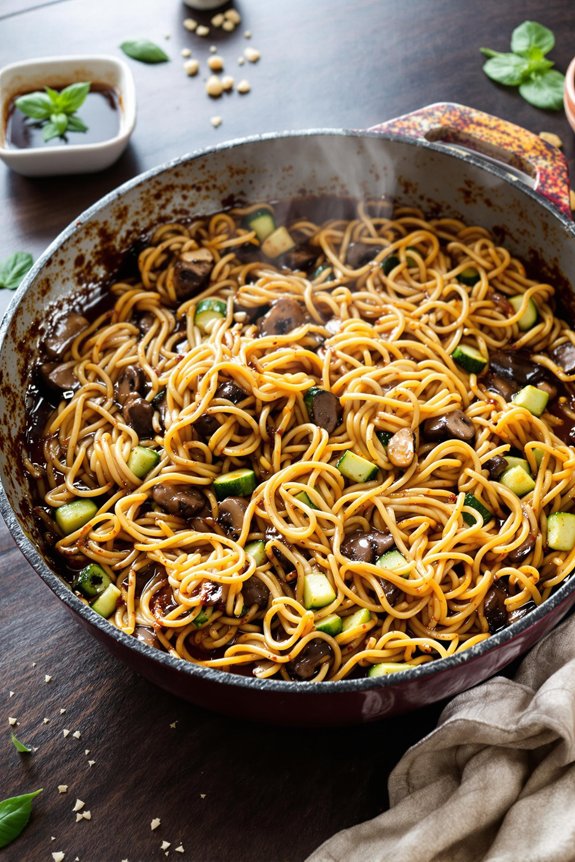
I’m talking about tender noodles tossed with savory mushrooms and crisp zucchini, all coated in a umami-rich sauce that hits every flavor note.
What makes them irresistible? They’re versatile (use udon or chow mein noodles), ready in under 30 minutes, and deliver that authentic hibachi taste without the expensive restaurant bill.
The combination of soy sauce, Thai ginger broth, and brown sugar creates that perfect sweet-savory balance we all crave.
Need a crowd-pleaser? These noodles never disappoint.
What Ingredients are in Japanese Hibachi Noodles?
The beauty of hibachi noodles lies in their perfect balance of umami-rich ingredients and simple cooking techniques. This restaurant favorite combines tender noodles with vegetables and a deliciously savory sauce that brings everything together. The ingredient list isn’t complicated, which makes this dish perfect for recreating that hibachi experience right in your own kitchen. Most of these items are pantry staples if you cook Asian-inspired dishes with any regularity.
- 12 ounces udon noodles or chow mein noodles
- 4 tablespoons olive oil
- 4 tablespoons butter
- 2 minced garlic cloves
- 1 tablespoon basil paste or 2 tablespoons dried basil
- 1½ pounds mushrooms, prewashed and sliced
- 2 zucchini, sliced and chopped
- 1 tablespoon Cavender’s all-purpose Greek seasoning
- 4 tablespoons soy sauce (for vegetables)
- 2 tablespoons Worcestershire sauce
- ⅓ cup soy sauce (for sauce)
- ⅓ cup Thai ginger broth
- 1½ tablespoons brown sugar
When shopping for these ingredients, feel free to get creative with your noodle choice. While udon provides that authentic chewy texture, chow mein noodles work brilliantly too. Don’t have Thai ginger broth? Regular chicken broth with a bit of fresh grated ginger makes a fine substitute. The Cavender’s Greek seasoning might seem like an unusual addition to a Japanese dish, but trust me, this secret ingredient adds a complex savoriness that elevates the entire meal. For mushrooms, button or cremini varieties work perfectly, though you could splurge on shiitakes for an even more authentic flavor profile. Vegetarians rejoice—this dish is naturally meat-free but still packed with satisfying flavors and textures.
Recommended Products

[Upgrade Modern Non-Stick Technology] After a long time of research and development, we have developed a new non-stick wok technology to bring you a brand new cooking experience. NOTE: The rough and granular effect on the surface of the wok is a natural non-stick layer formed by the state-of-the-art non-stick technology, which prevents food from sticking to the pan, burning, rusting and is easy to clean

HASSLE-FREE COOKING – Cook your way from breakfast to dinner and everything in between. This electric skillet with lid is powered by 1400-watts and made of high-quality aluminum body that conducts heat well for efficient, faster and better cooking.

Effortless Cleaning: Enjoy a non-stick cooking surface that's easy to clean, so you can spend more time savoring your creations.
How to Make these Japanese Hibachi Noodles
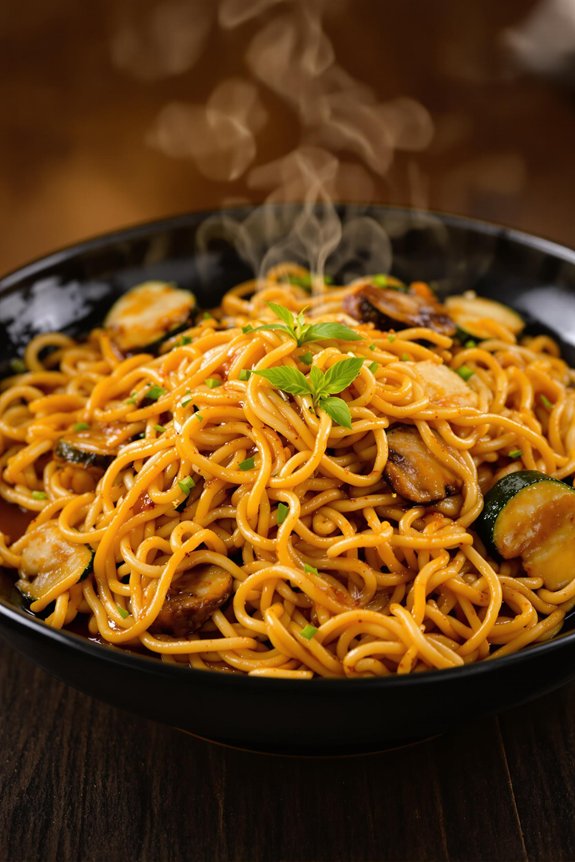
Making hibachi noodles at home starts with properly cooking 12 ounces of udon or chow mein noodles. You’ll want to boil them for about 8 minutes until they’re tender, then rinse thoroughly with cold water several times. This stops the cooking process and prevents them from getting mushy. Let the noodles hang out in the cold water until you’re ready for them—they’ll wait patiently while you prepare everything else.
Now for the fun part. In a large skillet or wok, melt 4 tablespoons of butter with 4 tablespoons of olive oil over medium-high heat. Add 2 minced garlic cloves and 1 tablespoon of basil paste (or 2 tablespoons dried basil if that’s what you have), and let them sizzle for about 2 minutes—just enough time to release their aromatic magic.
Toss in your 1½ pounds of sliced mushrooms and 2 chopped zucchini, then drizzle with 4 tablespoons of soy sauce, 2 tablespoons of Worcestershire sauce, and sprinkle with 1 tablespoon of Cavender’s Greek seasoning. Sauté these veggies for around 6 minutes, or until they reach your preferred tenderness.
While that’s happening, quickly whisk together your sauce by combining ⅓ cup soy sauce, ⅓ cup Thai ginger broth, and 1½ tablespoons brown sugar until the sugar completely dissolves.
For the grand finale, drain those waiting noodles and add them directly to your vegetable mixture. Pour the prepared sauce over everything and toss well, ensuring each noodle gets coated in that savory, slightly sweet sauce. For even more flavorful results, consider using a cast iron Dutch oven which provides superior heat retention and distribution for perfectly cooked hibachi noodles.
Continue cooking for just a minute or two until everything is piping hot. The result? Restaurant-worthy hibachi noodles with perfectly cooked vegetables and that signature umami flavor that makes you close your eyes with each bite. Who needs a reservation when you can create this tableside magic in your own kitchen?
Japanese Hibachi Noodles Substitutions and Variations
Now that you’ve mastered the basic hibachi noodles recipe, let’s talk about ways you can customize it to suit your taste or pantry situation.
Don’t have udon? Swap in ramen, soba, or even spaghetti in a pinch. The mushroom variety is totally flexible—cremini, shiitake, or a mix creates different flavor profiles.
Not a zucchini fan? Bell peppers, snap peas, or broccoli work beautifully. You can even add protein—chicken, shrimp, or tofu make this a heartier meal.
No Greek seasoning? A blend of salt, pepper, oregano, and garlic powder does the trick. Trust me, this recipe’s forgiving nature is what makes it weeknight gold.
Recommended Products

NEW YORK MAGAZINE’S The Strategist: Selected as the top budget-friendly carbon steel option, noted for being “a no-nonsense kitchen workhorse with a humble price to match.”

Lightweight and quick heating carbon steel delivers cast iron performance without the weight or the wait
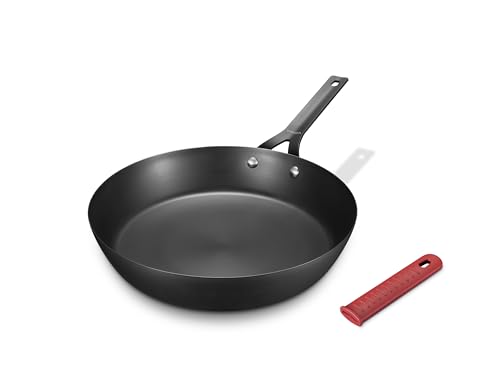
【Pre-Seasoned & Ready to Use】This carbon steel pan arrives pre-seasoned with 100% natural oil, forming an inherent easy-release surface that enhances with each use. As a nonstick foundation free of synthetic coatings, it is designed to deliver and build lasting non-stick performance for a lifetime of cooking.
What to Serve with Japanese Hibachi Noodles
While these savory, umami-packed hibachi noodles can absolutely stand alone as a meal, pairing them with complementary dishes elevates your dining experience to restaurant-quality status.
I recommend serving them alongside teriyaki chicken or steak for protein lovers. A simple miso soup makes the perfect starter, warming the palate before the noodle main event.
For a complete hibachi-style spread, add some crispy vegetable tempura or a fresh cucumber salad with rice vinegar dressing.
Don’t forget the classic hibachi necessity—yum yum sauce! This creamy, tangy condiment ties everything together. Trust me, your dinner guests will think you’ve hidden a hibachi chef in your kitchen.
Recommended Products
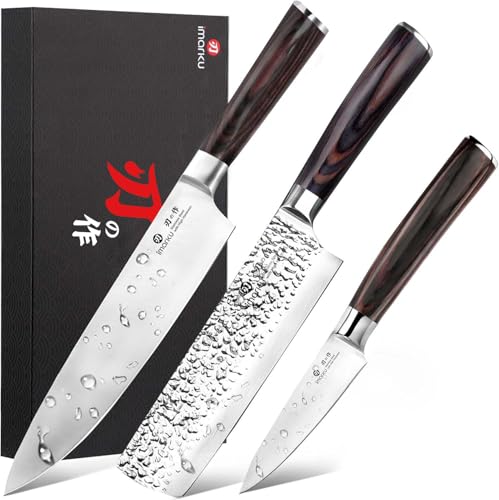
Ultra Sharp Professional Edge:Each knife in the imarku kitchen knife set is carefully hand-polished by skilled craftsmen with a 15° double bevel edge and 2.3mm blade thickness for exceptional cutting precision. These ultra sharp kitchen knives glide effortlessly through vegetables, fruits, fish, and meat, delivering a smooth and professional cooking experience

✅Super Sharp Blade: The super sharp blade is made of high-quality German stainless steel, with a chromium content of 16-18% and a carbon content of 0.6-0.75%. The blade is absolutely rust-proof. This makes the surface of the knife smooth and shiny, perfect for easily cutting meat or fruits and vegetables.

✅Super Sharp Blade: The super sharp blade is made of high-quality German stainless steel, with a chromium content of 16-18% and a carbon content of 0.6-0.75%. The blade is absolutely rust-proof. This makes the surface of the knife smooth and shiny, perfect for easily cutting meat or fruits and vegetables.
Final Thoughts
After mastering these Japanese hibachi noodles at home, you’ll never need to wait for a special occasion to enjoy restaurant-quality Asian cuisine. The combination of savory mushrooms and fresh zucchini creates a veggie-forward dish that’s both satisfying and nutritious.
I love how versatile this recipe is—swap in different vegetables based on what’s in season or lurking in your crisper drawer. The secret’s in that umami-packed sauce, with its perfect balance of soy, ginger, and touch of sweetness from brown sugar.