

Why You’ll Love these Simmered Chicken Gizzards
While most people rush past chicken gizzards at the butcher counter, I’m here to convince you they’re the unsung heroes of comfort food.
These budget-friendly gems transform into tender, flavor-packed bites after a slow simmer in wine and herbs.
What’s not to love? They absorb the aromatic blend of oregano, thyme, marjoram, and rosemary like little sponges.
The sauce, oh the sauce—rich and velvety from those hours of patient cooking—turns ordinary rice or noodles into something extraordinary.
And can we talk about that deeply satisfying texture? Slightly chewy but fork-tender, these gizzards offer a heartiness that chicken breast can only dream about.
What Ingredients are in Simmered Chicken Gizzards?
For this rustic chicken gizzard recipe, we’re using simple ingredients that transform humble organ meat into a comforting, flavor-packed dish. The magic happens during the long, slow simmer, where the gizzards become tender while absorbing all the aromatic herbs and rich sauce. Nothing fancy here, just good, honest cooking with ingredients that complement the distinctive flavor of chicken gizzards.
- 2 pounds chicken gizzards
- 2 tablespoons olive oil
- 2 tablespoons butter
- 2 onions, sliced
- 4 garlic cloves, minced
- 1 cup white wine
- 1 cup tomato sauce
- 1 tomato, seeded, peeled, and chopped
- 1 teaspoon salt
- Pepper to taste
- 1/2 teaspoon oregano
- 1/2 teaspoon thyme
- 1/2 teaspoon marjoram
- 1/2 teaspoon rosemary
- 1/2 cup chicken broth
When shopping for gizzards, freshness is key. Look for pinkish-gray gizzards with no off odors. The herbs listed create a classic Mediterranean flavor profile, but feel free to adjust to your preference. Can’t find marjoram? A little extra oregano works in a pinch. And while the recipe calls for white wine, any dry variety you enjoy drinking will work beautifully here. Just avoid anything too sweet, as it might throw off the savory balance we’re aiming for.
Recommended Products

Quality Enameled Dutch Oven: The Lodge Essential Enamel Cast Iron Dutch Oven gives you all the benefits of cast iron cooking, great heat retention and durability, without fear of rust; it's also PFAS free

Moisture-Locking Lid: The Lodge Essential Enamel Cast Iron Dutch Oven features a moisture-locking design ideal for roasting, braising, and slow cooking pot meals

OVEN SAFE DESIGN: Withstand temperatures up to 500 degrees Fahrenheit, making this enamel cast iron dutch oven suitable for various cooking methods
How to Make these Simmered Chicken Gizzards

The beauty of this rustic chicken gizzard recipe lies in its simplicity and patience. Start by heating 2 tablespoons of olive oil and 2 tablespoons of butter in a large, heavy-bottomed pot over medium heat. Once the butter has melted and begins to foam, add your 2 pounds of chicken gizzards, carefully spreading them in a single layer. Let them brown properly—this might take 5-7 minutes, and trust me, this step builds incredible flavor. Don’t rush it. The browning creates those wonderful little caramelized bits that will eventually infuse the entire dish.
Next, toss in your 2 sliced onions and 4 minced garlic cloves, allowing them to soften and brown alongside the gizzards. When the onions have turned translucent with golden edges, pour in 1 cup of white wine (whatever dry white you have on hand works perfectly), followed by 1 cup of tomato sauce. Give everything a good stir and let it bubble away for about 2 minutes—the alcohol will cook off, leaving behind only the wine’s complex flavors.
Now add your chopped tomato, 1 teaspoon of salt, pepper to taste, and the herbal quartet: 1/2 teaspoon each of oregano, thyme, marjoram, and rosemary. These herbs are what transform a simple stew into something that smells like it came from a countryside kitchen in Tuscany.
The real magic happens during the long, slow simmer. Cover the pot and let everything cook gently for 1 1/2 hours, checking occasionally to make sure nothing’s sticking to the bottom. After this first simmer, add 1/2 cup of chicken broth to keep things juicy and continue cooking covered for another 1 1/2 hours.
You’ll know it’s done when the gizzards yield easily to pressure from a fork. Using premium cast iron cookware will provide superior heat retention and distribution, making it ideal for this slow-cooked dish. Serve this rustic delight over rice or buttered noodles—unless you’re avoiding gluten, in which case, something like quinoa might work beautifully. The sauce will be rich and savory, perfect for soaking into whatever base you choose.
Couldn’t we all use more affordable, soul-warming dishes like this in our cooking repertoire?
Simmered Chicken Gizzards Substitutions and Variations
Now that you’ve mastered the basic recipe, let’s explore some creative substitutions and variations that’ll breathe new life into these simmered chicken gizzards.
Try swapping white wine for red to create a deeper, more robust flavor profile. Not feeling the tomato sauce? A rich beef broth works wonderfully instead.
You can also play with herbs—I’m particularly fond of adding a pinch of smoked paprika for a subtle heat.
For serving options beyond rice or noodles, consider quinoa if you’re gluten-sensitive. The nutty texture complements the tender gizzards perfectly, don’t you think?
Recommended Products

Stainless steel and 5 layers bottom: Kirecoo 8-Quart Stainless Steel Stockpot with Lid is an essential kitchen cookware, boasting an advanced stainless steel construction with a 5-layer thickened base. This cooking pot features high temperature and corrosion resistance, promising a long service life without easy deformation. Composed of aluminum, iron, aluminum, and a magnetic base, the 5-layer bottom of stockpot has good sturdiness and performance. It heats quickly and distributes heat evenly.
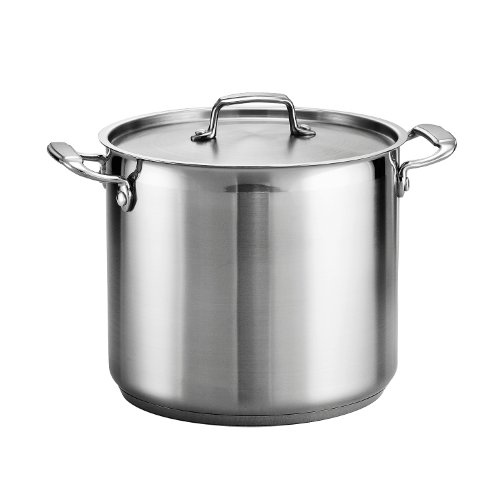
12-Quart Capacity: Perfect for preparing soups, stews, stocks, boiling pasta, and more.

【VERSATILE & CONVENIENT】Equipped with a matching lid for optimal heat retention, this 3-quart sauce pan is engineered to handle a wide range of culinary tasks, from boiling noodles and preparing savory soups to crafting homemade sauces and cooking nutritious oatmeal portions. Calibrated to serve 3–4 individuals, it strikes a perfect balance between capacity and practicality.
What to Serve with Simmered Chicken Gizzards
Deciding what to serve alongside your simmered chicken gizzards can elevate the entire meal from rustic comfort food to an impressive dinner.
Traditional pairings include rice or buttered noodles, which soak up that rich, savory sauce beautifully. Who doesn’t love a base that captures all those incredible flavors?
For those avoiding gluten, quinoa makes a fantastic alternative. The fluffy texture contrasts nicely with the tender gizzards.
Personally, I’d add a bright side salad with vinaigrette to cut through the richness, or perhaps some roasted vegetables for color and nutrition.
Simple, rustic, satisfying.
Recommended Products

Cook & Carry Locking Lid: Travel-proof locking lid features a tight seal that prevents leaks and spills, for mess-free travel when you're on the go
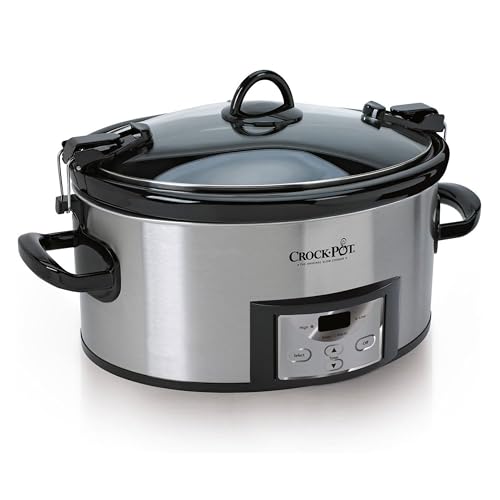
Programmable Digital Timer: Control cooking times from 30 minutes up to 20 hours
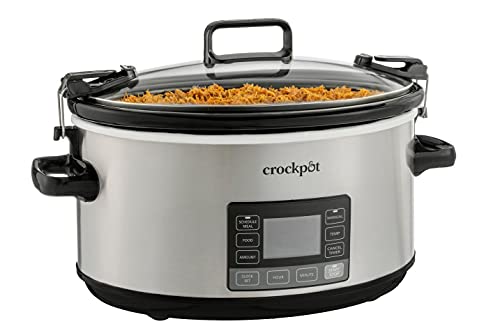
Personalized Cooking: MyTime adjusts the cooking cycle so your meal is ready exactly when you want it
Final Thoughts
After exploring all these serving options, I’m convinced that chicken gizzards deserve more attention in home kitchens across the country.
These humble ingredients transform beautifully in a slow-cooked casserole, becoming tender morsels of flavor that pair wonderfully with starches like rice or noodles.
Their rustic charm lies in simplicity—just good ingredients, patient cooking, and aromatic herbs.
Why not give them a try next weekend? The recipe’s flexibility means you can adjust seasonings to your taste or substitute quinoa for a gluten-free option.
Sometimes the most satisfying dishes come from ingredients we typically overlook, don’t they?