
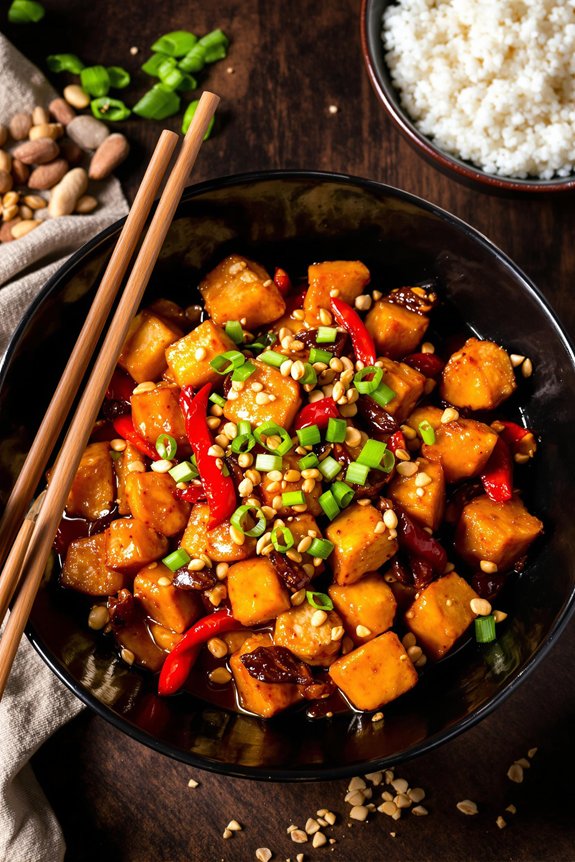
Why You’ll Love this Spicy Kung Pao Chicken
Three reasons you’ll need this Kung Pao chicken in your life: it’s quick, customizable, and packed with that perfect balance of spicy, sweet, and savory flavors.
Can you imagine that perfect bite where the tender chicken meets crunchy bell peppers, all coated in that glossy sauce? Divine.
What I love most is how you can dial the heat up or down. Not a fan of those dried chilies? Use fewer.
Want more kick? Toss in extra red pepper flakes. The combination of Szechuan sauce, sesame oil, and rice vinegar creates that unmistakable depth that’ll have everyone asking for seconds.
What Ingredients are in Spicy Kung Pao Chicken?
The beauty of Kung Pao chicken lies in its perfect harmony of ingredients—each component playing an essential role in that signature spicy-sweet flavor profile we all crave. The combination might look intimidating at first glance, but most of these items are pantry staples for anyone who enjoys cooking Asian-inspired dishes at home. And trust me, once you gather everything, the cooking process flows like a dream.
- 4 boneless skinless chicken breasts, cut into bite-sized cubes
- 5 tablespoons soy sauce (divided)
- 2 tablespoons sherry wine (divided)
- 2 teaspoons sugar
- 4 Asian dried red chilies, split
- 1/2 tablespoon grated ginger
- 1 pinch red pepper flakes
- 1 1/2 tablespoons canned Szechuan sauce
- 2 teaspoons sesame oil
- 2 tablespoons rice vinegar
- 1/4 cup water
- 1 tablespoon minced garlic
- 2 tablespoons peanut oil (or other light oil)
- 1 red bell pepper, cut into chunks
- 2 teaspoons cornstarch
Don’t worry if you need to make substitutions—this recipe is incredibly forgiving. Can’t find Asian dried red chilies? Regular dried chilies work just fine, or you could use more red pepper flakes instead. The peanut oil adds authenticity, but any neutral cooking oil will do in a pinch. And while the recipe doesn’t call for it, traditional Kung Pao chicken often includes roasted peanuts, so feel free to toss in a handful if you have them on hand. The Szechuan sauce provides that distinctive numbing heat, but if it’s too intense for your taste, remember you can always adjust downward for a milder version that still captures the essence of this classic dish.
Recommended Products

[PROFESSIONAL TRI-PLY CONSTRUCTION] Elevate your everyday cooking. This 13 inch stainless steel wok with lid is built with a premium aluminum core entirely sandwiched between two layers of high-grade steel. This advanced tri-ply bottom design guarantees ultra-fast, edge-to-edge heat conductivity. Say goodbye to frustrating hot spots—your meats will sear beautifully and your Asian noodles will be tossed to perfection every single time.

【12.5-Inch Hybrid Nonstick Wok with Glass Lid】Tired of food sticking and tedious scrubbing? Our stainless steel wok combines a laser-textured cooking surface with a PFOA-free nonstick layer for easy food release and everyday stir-frying. The raised texture helps protect the nonstick layer while supporting better browning, searing and stir-fry performance. It effectively reduces sticking when cooking delicate foods or sticky sauces, ideal for fried rice, noodles, eggs, vegetables, chicken, seafood, sauces and quick one-pan meals.

【Your Reliable Cookware Partner】Woks & Stir-fry Pans From Delarlo are Made Of Tri-Ply Stainless Steel. Delarlo Wok Pan (12inch) Heats Quickly and Spreads Heat Evenly Because of Our High-Control Level of Materials. The Special Material of The Pot Body is Resistant to High Temperature Up to 600℉,Glass Lids Up to 300℉. Ensures The Durability of The Woks
How to Make this Spicy Kung Pao Chicken
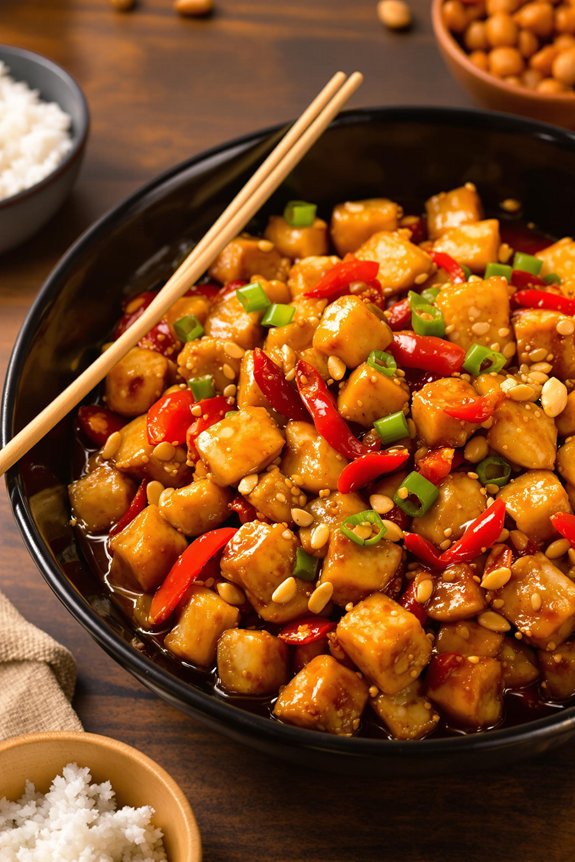
Making this Kung Pao chicken is all about layering flavors and quick cooking once your prep work is done. Start by cutting your 4 boneless skinless chicken breasts into bite-sized cubes—not too small that they’ll overcook, but not so large that they won’t cook through quickly. Toss these pieces with 1 tablespoon of soy sauce and 1 tablespoon of sherry wine, then set aside to marinate while you prepare the rest of your ingredients. This brief marinade might seem insignificant, but it’s actually infusing the chicken with that first layer of flavor that serves as the foundation for everything else.
Next, create your sauce by whisking together 2 teaspoons of sugar, 2 tablespoons of rice vinegar, 2 teaspoons of sesame oil, 1/4 cup of water, 1 tablespoon of sherry, the remaining 4 tablespoons of soy sauce, and 2 teaspoons of cornstarch in a bowl. This mixture is the magic that brings everything together.
Now, heat 2 tablespoons of peanut oil in your wok over medium-high heat until it shimmers. Add those 4 split dried red chilies and cook until they start darkening, releasing their spicy essence into the oil. When that happens, quickly add 1 tablespoon of minced garlic, 1/2 tablespoon of grated ginger, and a pinch of red pepper flakes, stirring constantly for about 30 seconds until everything becomes fragrant. Your kitchen should be filled with an incredible aroma at this point.
Time for the main event. Add your marinated chicken to the aromatic oil, stirring constantly for 1-2 minutes as the outside begins to cook. Pour in your prepared sauce mixture along with the chunks of red bell pepper, continuing to stir as everything comes together. The sauce will thicken slightly as it cooks with the cornstarch, coating each piece of chicken beautifully.
Once the chicken is just cooked through—which happens quickly, about another minute—remove the wok from heat. For a more intense flavor experience, toss everything with 1-1½ tablespoons of Szechuan sauce. While this recipe uses Chinese techniques, you can also explore Indian cuisine which relies on pressure cookers for efficient cooking and developing deep flavors in traditional dishes.
And there you have it—restaurant-quality Kung Pao chicken ready to be served over steaming rice. The balance of heat, sweetness, and that distinctive Szechuan tingle makes this dish absolutely impossible to resist.
Spicy Kung Pao Chicken Substitutions and Variations
Now that you’ve mastered the basic technique, let’s explore some exciting ways to customize this fiery classic to make it truly your own.
Don’t have sherry wine? Swap in dry white wine or even apple juice in a pinch.
Vegetarians can substitute firm tofu or seitan for chicken—just press it first to remove excess moisture.
Craving extra crunch? Toss in some water chestnuts or peanuts during the final minute of cooking.
For a less spicy version (no judgment!), reduce the chilies and pepper flakes.
And here’s my favorite twist: add a tablespoon of hoisin sauce for depth, or pineapple chunks for a sweet-spicy combo.
Recommended Products

Secure, Ergonomic Grip: The cast iron handle covers feature a textured interior to stay firmly in place—even on hot or wet handles. Suitable for flat/oval handles (4"-5" length). Not compatible with curved or round steel handles

Reliable Heat Resistance: Designed for skillets 9 inches and larger, the Lodge Silicone Hot Handle Holder delivers a secure grip on hot cookware with heat resistance up to 500°F
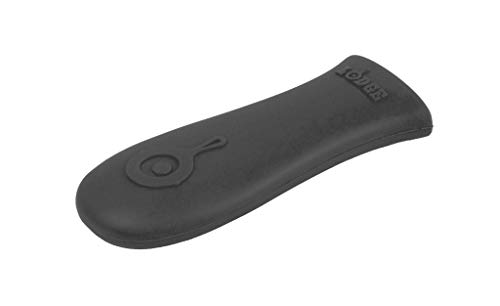
Reliable Heat Resistance: Designed for skillets 9 inches and larger, the Lodge Silicone Hot Handle Holder delivers a secure grip on hot cookware with heat resistance up to 500°F
What to Serve with Spicy Kung Pao Chicken
When your sizzling kung pao chicken hits the table, what accompaniments will transform it from a mere dish into a complete feast?
I’m a firm believer in balance—something to cool the heat, something starchy, and something green.
Steamed jasmine rice is my go-to foundation, soaking up that savory sauce like nothing else.
For vegetables, simple stir-fried bok choy or garlicky green beans provide the perfect counterpoint.
Want something cooling? Cucumber salad with rice vinegar tames the spice beautifully.
Don’t forget hot tea—it cleanses the palate between bites.
Trust me, these pairings elevate your kung pao experience to restaurant-quality status.
Recommended Products

✅Super Sharp Blade: The super sharp blade is made of high-quality German stainless steel, with a chromium content of 16-18% and a carbon content of 0.6-0.75%. The blade is absolutely rust-proof. This makes the surface of the knife smooth and shiny, perfect for easily cutting meat or fruits and vegetables.
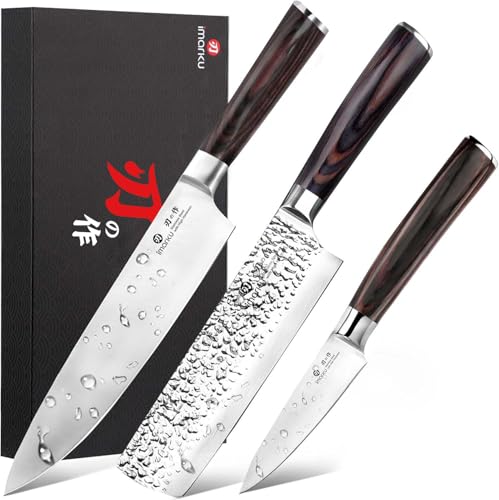
Ultra Sharp Professional Edge:Each knife in the imarku kitchen knife set is carefully hand-polished by skilled craftsmen with a 15° double bevel edge and 2.3mm blade thickness for exceptional cutting precision. These ultra sharp kitchen knives glide effortlessly through vegetables, fruits, fish, and meat, delivering a smooth and professional cooking experience
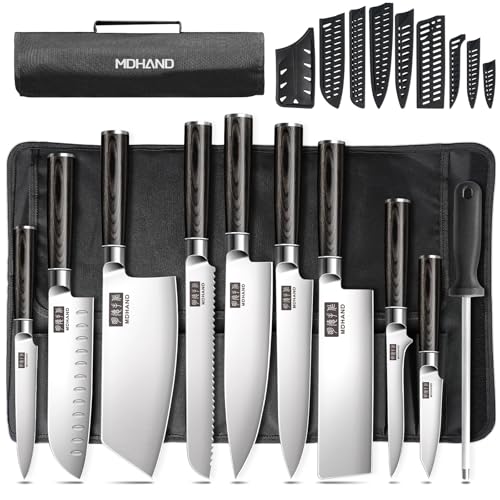
🔪【HIGH-QUALITY MATERIALS】Professional knife set is made of highly practical high carbon stainless steel (5Cr15MoV). The hardness of the japanese knife set can reach 56+, ensure its durability, strength, sharpness and corrosion resistance. It can maintain its excellent performance even after long-term use.
Final Thoughts
Mastery of kung pao chicken brings a special kind of culinary confidence to your kitchen repertoire.
There’s something deeply satisfying about balancing those complex flavors—spicy, sweet, sour, and savory—in one iconic dish. I’m convinced anyone can nail this classic with a bit of practice.
The beauty of kung pao is its adaptability.
Don’t have dried chilies? Red pepper flakes work in a pinch.
Need to tone down the heat? Simply reduce the chilies.
What matters most is maintaining that signature sauce consistency and the bold flavor profile that makes this dish so craveable, time after time.


